Field Notes from Chris
“Thirty years in the field taught me one thing: your gear is a piece of life-saving equipment, just like an H2S monitor or a hard hat. I’ve seen guys drop $800 on a full set of FRs only to wash the protection right out of the fabric in six weeks. If you don’t know how to wash FR clothing the right way, you aren’t wearing protection—ive seen guys essentially wearing a fuse. This isn’t about looking clean for the boss; it’s about making sure that fabric does its job when the flash happens.”
How to Wash FR Clothing: The Complete Grit-Tested Pillar Guide
Knowing how to wash FR clothing is the difference between a minor scare and a trip to the burn unit.
Flame-Resistant (FR) apparel is a technical investment. Whether you are pulling a 14-hour shift in the Permian Basin or managing a high-volume warehouse floor, your clothing is designed to self-extinguish when exposed to extreme heat or flame. However, that technical ability is not invincible. The polymers and chemical bonds that provide that protection can be stripped away, coated in flammable residue, or degraded by heat if handled incorrectly.
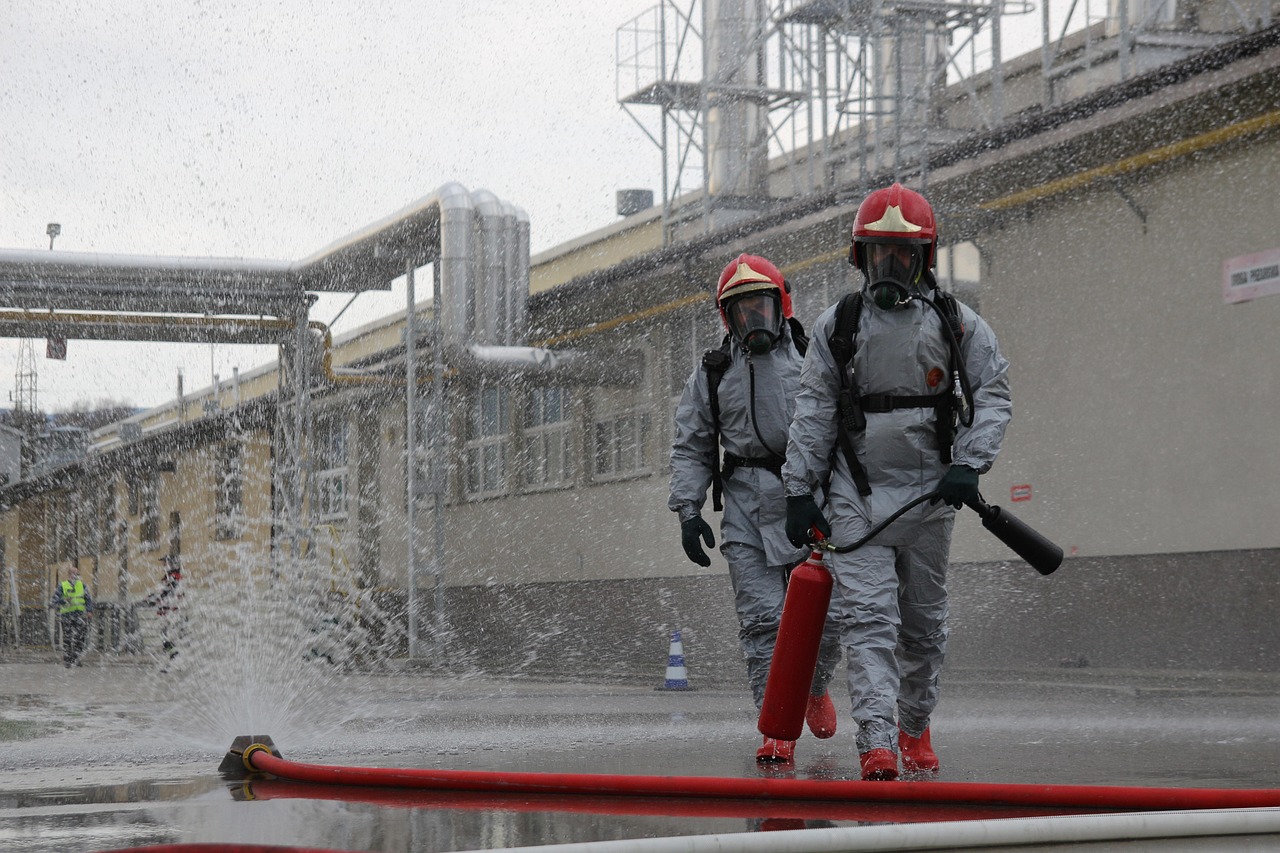
Maintaining the chemical integrity of your FR gear requires more than just a standard wash cycle.
In this comprehensive guide, we are breaking down the industrial-strength reality of gear maintenance. We aren’t looking at “home-style” laundry tips; we are looking at how to remove crude oil, hydraulic fluid, and industrial grease while keeping your FR gear for the oilfield compliant with safety standards.
The Primary Hazards of Improper FR Laundering
Before we get into the “how-to,” we need to understand the “why.” According to the NFPA 2113 standard, the responsibility for maintaining FR clothing often falls on the user. If you fail to follow proper care instructions, the garment may no longer meet the ASTM F1506 requirements for flame resistance.
1. The Danger of Fabric Softeners
If you want to master how to wash FR clothing, the first rule is to banish fabric softeners from your laundry room. Softeners and dryer sheets work by depositing a thin, waxy layer of fats or chemicals onto the fibers of your clothes. While this makes your towels feel fluffy, it is a nightmare for FR gear. This waxy coating is flammable. When exposed to an arc flash, the coating ignites, creating a “fuel load” that burns on top of your protective layer. This can cause severe secondary burns even if the fabric itself doesn’t catch fire.
2. The Chlorine Bleach Trap
Chlorine bleach is a corrosive oxidizer. In the context of gear like Ariat FR M4 Jeans, bleach physically breaks down the molecular bonds of the flame-retardant chemicals that are impregnated into the cotton fibers. Using bleach even once can significantly reduce the garment’s Arc Thermal Performance Value (ATPV).
Step-by-Step: How to Wash FR Clothing for Maximum Longevity
To ensure your CAT 2 FR Bibs last for the long haul, you need a repeatable system. Following these steps will keep the fabric supple and the protection intact.
Phase 1: Sorting and Preparation
Never mix your FR workwear with your household laundry. Industrial contaminants like oil, fuel, and grease can transfer to your family’s cotton shirts, which can lead to skin irritation or even cross-contamination of flammable materials.
- Turn Inside Out: This is a veteran trick. Turning the garment inside out protects the “face” of the fabric from the mechanical agitation of the washing machine, reducing pilling and keeping the garment looking professional.
- Zip and Button: Ensure all zippers are closed and buttons are fastened to prevent snagging and tearing during the cycle.
Phase 2: Choosing the Right Detergent
When you are learning how to wash FR clothing, the chemistry of your detergent matters. You need a high-quality, heavy-duty liquid detergent.
- No “Natural” Soaps: Avoid tallow-based soaps (animal fats). Much like fabric softener, these leave a flammable residue.
- Recommended Brands: Synthetic liquid detergents like Tide, Persil, or Era are excellent because they are designed to rinse away completely, leaving no film behind.
- No Starch: Starch is a carbohydrate—essentially a fuel source. Never use starch on your FR work shirts.
Phase 3: Temperature and Cycle Selection
Heat is a double-edged sword. You need it to break down the oils, but too much will destroy the gear. The Rules of Temperature:
- Maximum Temp: Never exceed 140°F (60°C). Most modern home water heaters are set to 120°F, which is perfect.
- The “Warm” Setting: Use a warm wash and a cold rinse. This is the best way to activate the detergent’s surfactants without causing the 5% to 10% shrinkage often seen in high-heat cycles.
- Agitation: For most gear, a “Normal” cycle is fine. However, if your gear is “Grit-Tested” and covered in heavy crude, you may need a “Heavy Duty” cycle.
How to Wash FR Clothing With Heavy Oil and Grease Stains
If you’re on a drilling rig or a frac site, “standard” washing won’t cut it. For gear that is caked in hydrocarbons, you need an aggressive pre-treatment strategy.
1. The Pre-Soak: Before the main wash, soak the garments in a utility sink with warm water and a heavy dose of liquid detergent for at least 30 to 60 minutes. This allows the detergent to penetrate the grease before the agitation begins.
2. Dealing with Fuel Spills: If you take a significant splash of diesel or hydraulic fluid, do not put that garment in the dryer. Even after washing, if the smell of fuel persists, the garment is still a fire hazard. Wash it a second time with a dedicated degreaser (ensure the degreaser is non-flammable and contains no citrus d-limonene).
Drying Your FR Apparel Correctly
Many guys ruin their gear in the last 45 minutes of the process. High-heat drying is the leading cause of fiber “brittleness.” When the fibers become brittle, the garment loses its tear strength and will rip the next time you climb into a truck cab or bend over to move a pallet.
- Low to Medium Heat: Always use the lowest heat setting possible that still gets the job done.
- Remove Promptly: Take the clothes out while they are slightly damp if possible, or right when the cycle ends, to prevent permanent wrinkling.
- Avoid Over-Drying: Baking your clothes in a hot dryer for two hours is the fastest way to turn a $150 shirt into a $150 shop rag.
The Inspection: Knowing When to Retire Your Gear
Even if you follow this guide on how to wash FR clothing perfectly, no garment lasts forever. Every wash cycle causes a microscopic amount of wear. As part of your “Survival Guide” routine, you should inspect your gear after every wash.
Consult the OSHA 1910.269 standards regarding personal protective equipment. You must retire the garment if:
- The “Light Test”: Hold the elbows or knees up to a bright light. If you can clearly see the weave opening up and light passing through, the fabric has thinned beyond the point of safety.
- Unrepairable Damage: Any hole larger than a quarter requires a patch of identical FR fabric sewn with Nomex (FR) thread. If you can’t repair it correctly, throw it out.
- Permanent Contamination: If the gear is permanently stained with oil or grease that won’t come out after three washes, it is no longer safe to wear in a “hot zone.”
Grit-Tested Summary: How to Wash FR Clothing
Keep these rules taped to your washing machine to ensure you stay protected on every shift:
- ✅ Detergent: Use heavy-duty liquid only (Tide/Persil).
- ✅ Temperature: Warm wash, cold rinse (Keep it under 140°F).
- ❌ The Forbidden Four: No softeners, no dryer sheets, no bleach, and no starch.
- ❌ The Dryer: Use low heat and never dry fuel-soaked gear.
- 🔗 Next Step: Is your current gear thinned out? Check out our field test of the Best FR Clothing for Oilfield to find your next set of armor.